
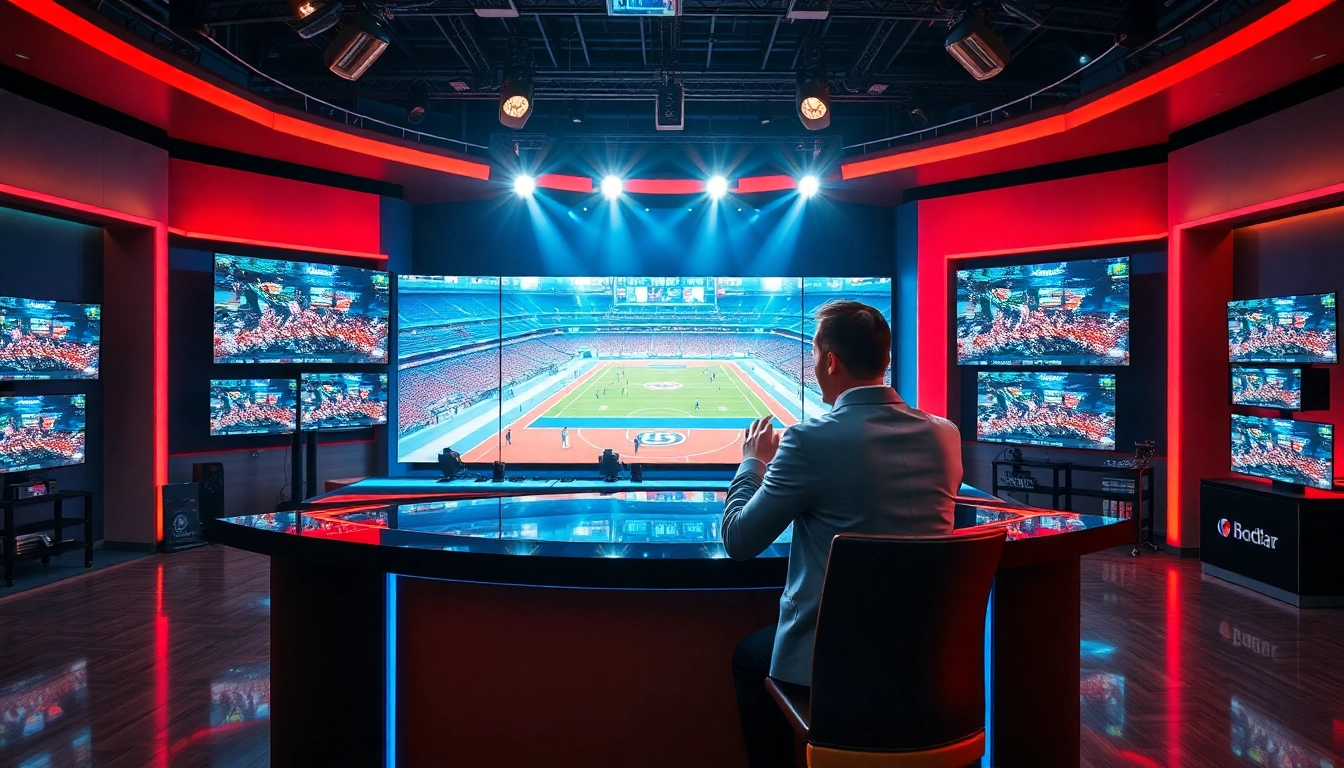
Understanding Sports Broadcasting Today
The realm of Sports Broadcasting has undergone a dramatic transformation over the past few decades. From the days of radio play-by-plays to modern-day multi-platform streaming, the nature of how we consume sports has evolved significantly. With technological advancements and changing viewer preferences, understanding this evolution is crucial for anyone involved in the industry.
The Evolution of Sports Broadcasting
Initially, sports events were broadcast exclusively via radio, where enthusiasts would gather around their radios to listen to live commentary. The introduction of television brought a seismic shift, as viewers could now see the action unfold in real-time. Over the years, high-definition broadcasting, satellite technology, and mobile streaming have further refined how audiences engage with sports.
As accessibility to technology grew, so did the demand for innovative viewing options. The rise of cable networks in the 1980s and 1990s expanded coverage of niche sports, while the advent of the internet allowed for live streaming and on-demand content. Today, services like OTT (Over-the-Top) platforms have revolutionized access, allowing viewers to watch sports on various devices, at their convenience.
Key Technologies in Sports Broadcasting
The backbone of modern sports broadcasting hinges on several key technologies. These include:
- HD and 4K Broadcasting: Enhanced visual technology provides viewers with crystal-clear images, making the experience more immersive.
- Data Analytics: Real-time data collection during games allows broadcasters to present statistics that enhance viewing engagement.
- Cloud Technology: This technology enables seamless broadcasting across platforms, ensuring flexibility and reliability.
- Artificial Intelligence: AI assists in personalizing viewer experiences and helps in automating highlights and summaries.
Major Events Shaping the Industry
Key events have significantly impacted the trajectory of sports broadcasting. The advent of the Super Bowl in the 1960s marked a new era wherein advertisers began to recognize the potential of sports as a prime marketing opportunity. Major tournaments like the FIFA World Cup or the Olympic Games have increasingly leveraged advancements in broadcasting technology, showcasing interactive elements and fan engagement strategies.
Furthermore, shifts in consumer behavior, such as cord-cutting, have prompted networks and broadcasters to adapt their strategies, incorporating digital platforms and mobile-friendly options to remain competitive.
How to Improve Audience Engagement in Sports Broadcasting
To succeed in Sports Broadcasting, enhancing audience engagement is imperative. As the industry evolves, broadcasters must utilize innovative approaches to build and maintain strong connections with viewers.
Interactive Content Strategies
Interactive content offers a unique way to engage viewers. Polls during games, quizzes, and real-time statistics keep audiences invested in ongoing events. Integrating platforms that allow live chat and Q&A with commentators also fosters a sense of community among fans. Using gamification strategies, such as fantasy leagues or predictive analytics competitions, can further entice viewers to interact with broadcasts actively.
Using Social Media for Promotion
Social media has become an essential tool for promoting sports broadcasts. Platforms like Twitter, Instagram, and TikTok allow broadcasters to reach wider audiences and generate buzz around events. Creating shareable content, behind-the-scenes footage, and engaging stories can significantly increase viewer interest. Collaborating with influencers and athletes helps in reaching target demographics effectively, enhancing the promotional impact of broadcasts.
Data Analytics to Gauge Viewer Preferences
Understanding viewer preferences through data analytics is crucial for tailoring broadcasts. Analyzing viewership statistics, audience feedback, and engagement metrics can deliver insights into what captures viewer attention. Broadcasting teams can adapt their content strategies based on these insights—shifting focus to popular segments or adjusting commentary styles to meet audience expectations.
Challenges Facing Sports Broadcasting
Despite its growth, Sports Broadcasting faces numerous challenges that must be navigated effectively to ensure ongoing success in the industry.
Regulatory Issues and Compliance
Sports broadcasting is under stringent regulations concerning copyright, advertising, and content distribution. Navigating these rules can be complex, especially when dealing with intellectual property rights across multiple jurisdictions. Broadcasters must ensure compliance with regulatory standards while creating compelling content that resonates with viewers.
Adapting to Changing Viewer Habits
As viewer habits evolve, broadcasters must remain agile. The shift towards mobile viewing and preference for binge-watching has altered traditional programming schedules. Broadcasting companies need to rethink their distribution strategies, offering on-demand content and flexible viewing options to retain audience interest.
Technology and Infrastructure Limitations
Although technology plays a pivotal role in sports broadcasting, limitations can hinder quality and reach. Infrastructure challenges, particularly in remote or less developed areas, can affect the delivery of high-quality broadcasts. Collaborative efforts between tech firms, network providers, and sports organizations are essential for developing robust systems that ensure reliable access across various locations.
Best Practices in Sports Broadcasting
Implementing best practices enhances the quality and effectiveness of Sports Broadcasting. Broadcasters can significantly improve viewer satisfaction through strategic planning and innovative approaches.
Creating Compelling Sports Commentaries
Effective commentary is vital in sports broadcasting. Commentators play a crucial role in drawing viewers into the narrative. To engage audiences, commentators should be well-informed about the teams and players, use dynamic storytelling techniques, and maintain an engaging rapport with co-hosts and the audience. Training programs focused on communication skills and sports knowledge can enhance commentaries.
Optimizing Broadcasts for Multiple Platforms
In today's multi-device world, optimizing broadcasts for various platforms is critical. Content should be adaptable, ensuring seamless transitions between traditional television, mobile apps, and streaming services. Providing different viewing options—such as multiple angles or alternative commentary tracks—can significantly enrich the viewer experience.
Ensuring Quality and Reliability in Streams
Maintaining high streaming quality is integral to keeping audiences satisfied. Broadcasters should invest in robust streaming technology and infrastructure to minimize disruptions. Regular testing, updates, and user feedback processes can help iron out potential issues before they affect the viewer experience.
Future Trends to Watch in Sports Broadcasting
As technology continues to advance, Sports Broadcasting is poised for further innovations and transformations. Some key trends to monitor include:
The Impact of Virtual and Augmented Reality
Virtual Reality (VR) and Augmented Reality (AR) are set to revolutionize sports broadcasting. With the potential to create immersive viewer experiences, these technologies can allow fans to engage with games as if they were present in the arena. Future broadcasts may include 360-degree video, interactive fan experiences, and enhanced graphics that bring statistics and players' performances to life.
Artificial Intelligence in Content Curation
AI is becoming instrumental in content curation for sports broadcasts. Algorithms can analyze vast amounts of data to deliver personalized highlights and recaps tailored to individual viewer preferences. This capability can enhance user engagement and ensure that audiences stay connected with the content that matters most to them.
Sustainability Practices in Sports Broadcasting
As environmental concerns grow, sports broadcasting is beginning to address sustainability. From reducing carbon footprints in production to creating eco-friendly broadcasting methods, companies can contribute positively to global initiatives. Implementing sustainable practices not only benefits the planet but can also enhance brand loyalty as audiences increasingly favor environmentally conscious organizations.
Frequently Asked Questions
What is sports broadcasting?Sports broadcasting refers to the live coverage and transmission of sporting events through various media channels.
How has technology changed sports broadcasting?Technology has enabled real-time analytics, high-definition visuals, and interactive viewer engagement platforms.
What are the main platforms for sports broadcasting?Main platforms include television networks, streaming services, and social media channels.
How can I become a sports broadcaster?Study communications or journalism, gain experience through internships, and build a portfolio showcasing your skills.
What should I look for in a sports broadcasting service?Look for quality, coverage of your favorite sports, and multi-platform accessibility.